

Providing the right food for your pet is one of the most important parts of being a responsible pet parent. Proper pet nutrition not only fuels daily energy but also strengthens the immune system, supports healthy skin and coat, and promotes a long, active life. Whether you’re caring for a playful puppy, a curious kitten, or a senior pet, understanding what goes into their bowl can make all the difference.
When we pause and nourish with intention, both pets and people find balance. In the stillness of care, clarity and joy naturally follow.
Why Proper Pet Nutrition Matters
Just like people, dogs and cats need a balanced diet to thrive. Feeding your pet the wrong foods or too much of the right ones can lead to obesity, allergies, digestive issues, and chronic health problems. On the other hand, a nutritious, well-portioned diet helps your pet:
- Maintain a healthy weight
- Build strong muscles and bones
- Improve skin and coat health
- Boost energy and vitality
- Strengthen immune defenses
At Chase and Purr Pet Supply Store, we believe good nutrition is the foundation of a happy, healthy pet.

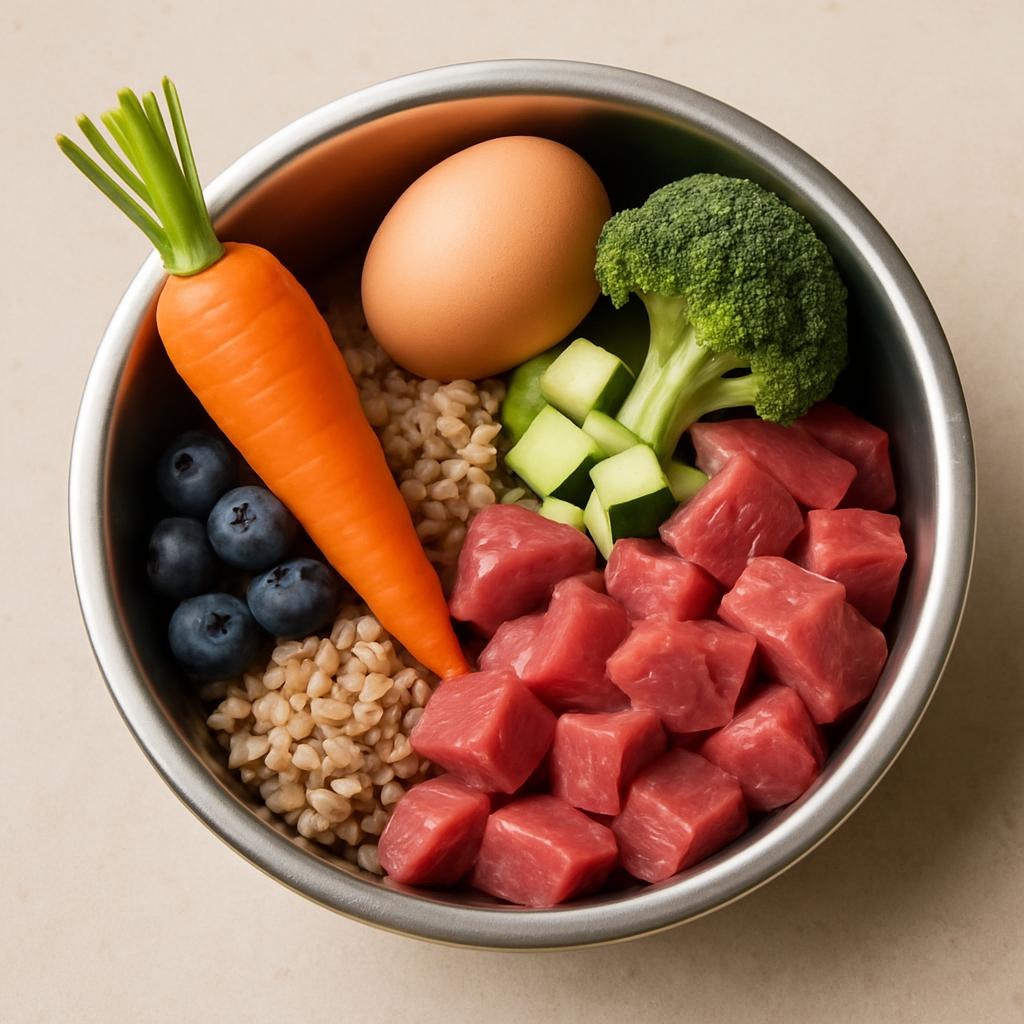
The Essential Nutrients Every Pet Needs
1. High-Quality Protein
Protein is the building block of strong muscles and healthy tissues. For dogs and cats, look for pet foods that list real meat (such as chicken, beef, lamb, or salmon) as the first ingredient. Cats, being obligate carnivores, rely even more heavily on animal-based proteins.
2. Healthy Fats
Fats are a concentrated source of energy and essential for brain, skin, and coat health. Look for Omega-3 and Omega-6 fatty acids from sources like salmon oil, chicken fat, and flaxseed.
3. Complex Carbohydrates
Carbs provide quick energy, fiber for digestion, and important nutrients. Whole grains (brown rice, oats, barley) or grain-free options like sweet potatoes and peas are excellent choices. Always consider your pet’s sensitivities when selecting carbohydrate sources.
4. Vitamins and Minerals
Micronutrients play a key role in bone health, nerve function, and immune support. Most high-quality dog food and cat food brands follow AAFCO (Association of American Feed Control Officials) guidelines to ensure balanced nutrition.
5. Fresh Water
Hydration is just as important as food. Always provide clean, fresh water to prevent dehydration, kidney problems, and urinary issues.
Feeding Tips for Dogs and Cats
- Measure portions carefully: Follow feeding guidelines on pet food packaging and adjust for activity level, age, and weight.
- Choose life-stage appropriate diets: Puppies, kittens, adult pets, and seniors all have different nutritional needs.
- Avoid harmful human foods: Chocolate, onions, grapes, garlic, and fatty scraps can be toxic to pets.
- Transition slowly: When switching foods, introduce new formulas gradually over 7–10 days to avoid digestive upset.
- Monitor your pet’s condition: Shiny coats, bright eyes, and steady energy are signs your pet’s diet is working well.
Special Dietary Needs
Some pets may require special diets due to allergies, sensitive stomachs, or medical conditions like kidney disease or obesity. In these cases, always consult with your veterinarian before changing foods. Many premium pet food brands also offer hypoallergenic, grain-free, or prescription diets to meet these needs.
Final Thoughts
Proper pet nutrition is the key to a happy, healthy life for your furry friend. By focusing on high-quality ingredients, portion control, and age-appropriate formulas, you can help your dog or cat thrive at every stage of life.
At Chase and Purr Pet Supply Store, we’re passionate about supporting pet parents with premium pet food, healthy treats, and nutrition advice you can trust. Because when your pet is nourished, they’re not just healthier—they’re happier.
Leave a Reply